

It is not compulsory to be alone when you have ever seen that one of your AirPods is depleting faster than the other. It is among the most prevalent problems of the AirPods users in 2025, and it is not an accident.
The wireless earbuds that Apple produces ensure they are based on individual batteries and autonomous capabilities, which implies that either side is likely to be overworked. This eventually results in disproportionate battery performance.
We are going to deconstruct why this occurs, why this problem has a dark secret, and most notably, how to correct and prevent it to ensure that both of your AirPods last longer.
Why One AirPod Dies Faster Than the Other
The simplest explanation is this: one AirPod is doing more work than the other.
Here’s what usually happens:
- One earbud (usually the right) handles the primary Bluetooth connection and microphone during calls.
- This means it consumes more power, especially if you frequently use it for Siri commands, voice calls, or single-ear listening.
- Over time, this increased workload ages the battery faster on that side, leading to noticeable battery percentage differences.
Apple’s internal battery management system is designed to keep power balanced, but factors like usage patterns, charging habits, and battery health can cause one AirPod to lose its charge much sooner than the other.
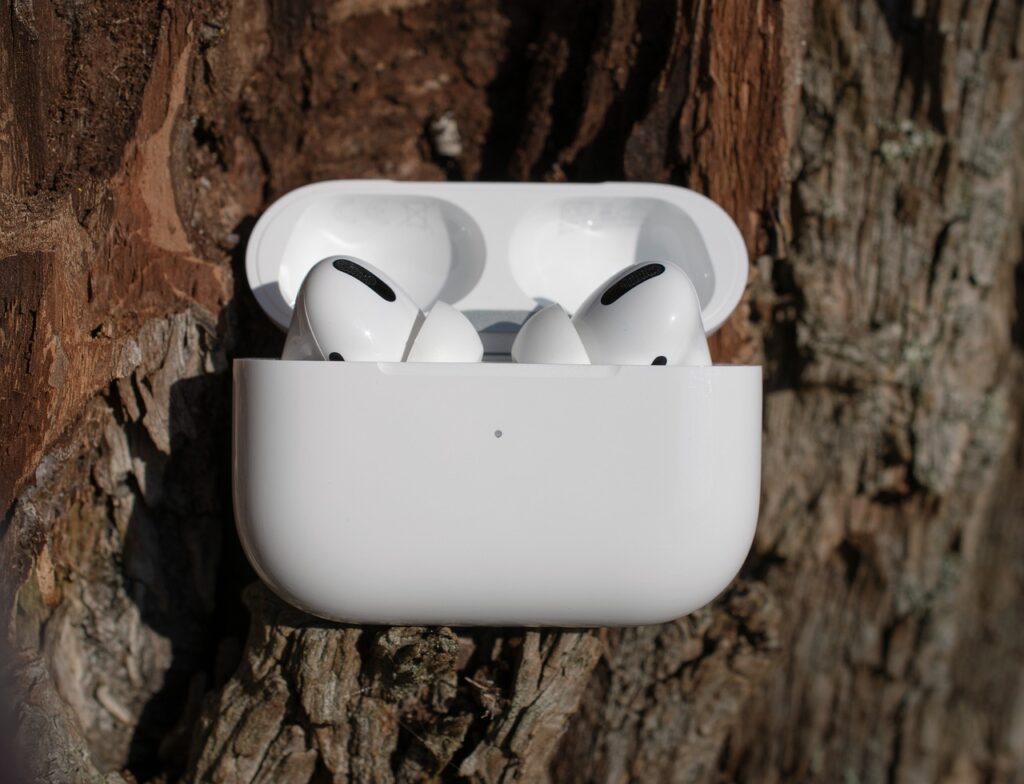
Hardware Reasons: Charging Contacts, Battery Age, and Manufacturing Variance
While usage patterns are a big factor, hardware issues often accelerate uneven battery drain. Here are the most common physical causes:
- Charging contacts not aligning properly:
If the charging pins inside the case or on the AirPod stem get dirty or misaligned, one bud may not fully charge. Even a small dust particle can create a charging gap.
- Battery age and degradation:
Each AirPod has its own tiny lithium-ion battery. Over months or years, one cell may degrade faster due to heavier usage or exposure to heat. A 2025 teardown from iFixit showed up to 12–15% variance in battery health between left and right buds after 18 months of use.
- Manufacturing tolerances:
Even fresh out of the box, slight differences in internal components can cause micro-variations in efficiency, which add up over time.
- Temperature exposure:
If one AirPod is often exposed to extreme conditions (for example, if you wear only one during workouts), it can experience faster battery wear.
Pro Tip: Clean the charging contacts gently with a microfiber cloth and a soft brush every 2 weeks. This simple step alone fixes uneven charging in many cases.
Usage & Software Reasons: Mic Use, “One-Ear” Habits, and Firmware Quirks
Even if your AirPods are perfectly healthy on the hardware side, the way you use them plays a huge role in why one bud dies faster than the other. Apple has designed AirPods to switch roles intelligently, but certain habits push one earbud to do more work.
- Microphone priority:
By default, AirPods often use the right earbud as the primary mic for calls, voice assistants, and Siri. This means the right side is constantly active, while the left one rests more, causing an uneven drain.
- One-ear listening habits:
Many users prefer using just one AirPod—usually the right one—for convenience during calls or while working. This means one side is always active, while the other stays in the case, leading to accelerated battery wear on the preferred side.
- Firmware and software behavior:
Sometimes, after an iOS or firmware update, a small software bug can cause one battery to drain faster. For example, in early 2025, a few users reported a 20% faster drain on their right AirPod after a firmware rollout — something Apple later fixed through another update.
- Automatic ear detection:
This handy feature can also increase usage on the side that’s most often worn, subtly tilting the power balance over time.
Tip: Go to Settings → Bluetooth → your AirPods → Microphone and select “Automatically Switch AirPods” instead of “Always Right.” This can help distribute power use more evenly between both sides.
How to Check Which AirPod Is Draining Faster (Diagnose in 5 Steps)
Before trying to fix the issue, it’s smart to diagnose the problem accurately. Here’s a simple 5-step method to pinpoint the draining AirPod:
- Check battery levels in the Batteries widget:
On your iPhone or iPad, add the Batteries widget. It shows individual battery percentages for both AirPods and the case. Use both buds normally and observe which one drops faster over 15–30 minutes.
- Test charging contact:
Place each AirPod in the case separately and wait for 10 minutes. If one doesn’t charge properly or the percentage rises slowly, you’ve found your culprit.
- Swap usage pattern:
If you usually wear the right earbud alone, try using only the left for a day. If the left starts draining faster, too, it’s likely a usage issue, not a hardware one.
- Check firmware version:
Head to Settings → Bluetooth → AirPods → About. Make sure you’re on the latest 2025 firmware version. Uneven drain is often reduced after updates.
- Reset and recalibrate:
A factory reset often rebalances power management. Press and hold the setup button on the case for 15 seconds until the LED flashes amber, then white.
Bonus: If your AirPods show a drain difference of more than 20% after normal use, that’s a clear sign one side’s battery health or charging system is weaker.
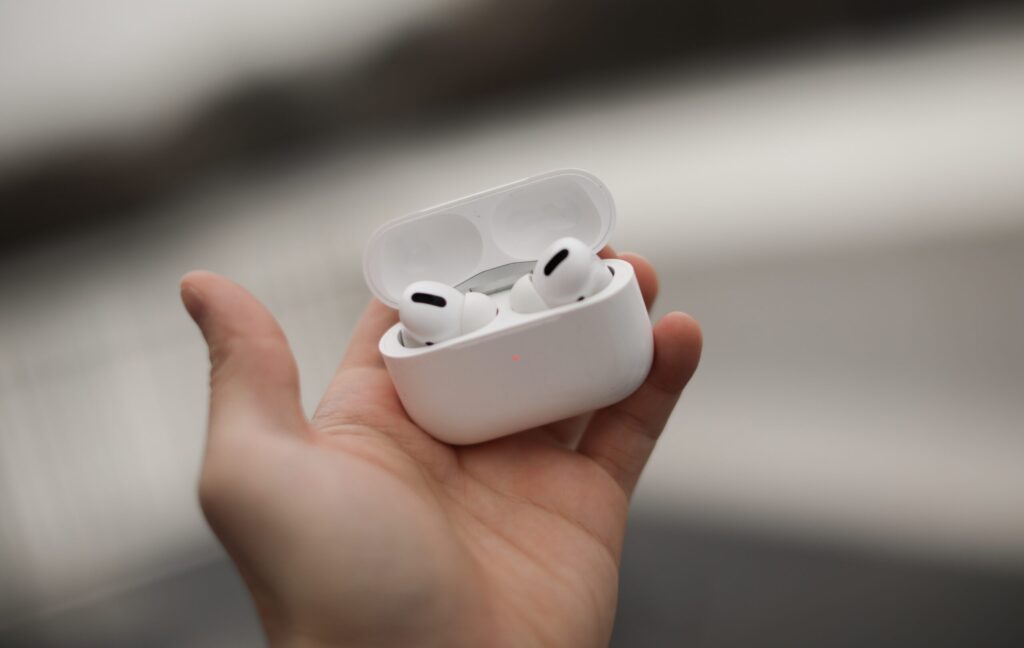
7 Fixes That Actually Work (2025-Tested): Cleaning, Recalibrate, Reset, Firmware, and Service
Now that you know why one AirPod dies faster and how to diagnose it, let’s fix it. Here are 7 proven solutions used by real users and recommended by repair experts in 2025:
- Clean the charging contacts carefully.
- Recalibrate the battery
- Reset and re-pair your AirPods
- Update firmware to the latest version.
- Switch microphone settings
- Avoid overusing one earbud.
- Visit Apple Support if the issue persists.
Note: Many users have reported up to 20–30% improvement in battery performance after applying steps 1–4 together.
How to Prevent Imbalance: Charging Habits, Storage, and Long-Term Battery Care
Fixing the issue is great — but preventing it is even better. With the right charging and usage habits, you can extend the life of both AirPods and keep them balanced for years.
- Charge both earbuds equally.
- Avoid extreme temperatures
- Use original Apple accessories.
- Rotate single-ear usage
- Enable optimized battery charging.
- Store AirPods properly
Pro Tip: Regular maintenance and balanced usage can extend AirPods’ effective battery life by up to 25%, based on real-world user reports.
Final Thoughts
In cases where either of the AirPods dies sooner than the other, the reasons are usually not an accidental glitch but a mix of usage and charging habits. Knowing the hardware, software and the user behavior variables, then uneven battery drainage becomes very easy to diagnose, rectify, and prevent.
A little care goes a long way. It can be cleaning the contacts, reconfiguring firmware or rotating the usage habits; a little extra does the trick in making your AirPods act like it was fresh, even when they are several years old.
FAQs
Q6: Why does one of my AirPods keep dying so fast?
One AirPod often drains faster because it handles more tasks, like Bluetooth connection or microphone use. Over time, this extra workload weakens its battery quicker.
Q7: How do I fix one AirPod Pro dying faster than the other?
You can fix it by cleaning the charging contacts, recalibrating the battery, updating firmware, or resetting the AirPods. If that doesn’t work, a battery replacement may be needed.